
If you dream of becoming a certified yoga teacher while immersing yourself in authentic yogic traditions, enrolling in yoga teacher training in Rishikesh India is one of the best decisions you can make. Nestled in the foothills of the Himalayas and blessed by the sacred River Ganga, Rishikesh is widely recognized as the Yoga Capital of the World. Every year, thousands of aspiring yoga teachers and dedicated practitioners travel here to deepen their knowledge, transform their lives, and experience yoga in its birthplace.
Whether you are a beginner looking to start your teaching journey or an experienced practitioner seeking advanced training, yoga teacher training in Rishikesh India offers programs that combine ancient wisdom with modern teaching methods. Students not only learn yoga postures but also gain a comprehensive understanding of philosophy, meditation, anatomy, breathing techniques, and the yogic lifestyle.
This guide explores everything you need to know about yoga teacher training in Rishikesh, including the different course levels, curriculum, benefits, daily schedule, career opportunities, and tips for choosing the right school.
Why Choose Yoga Teacher Training in Rishikesh India?
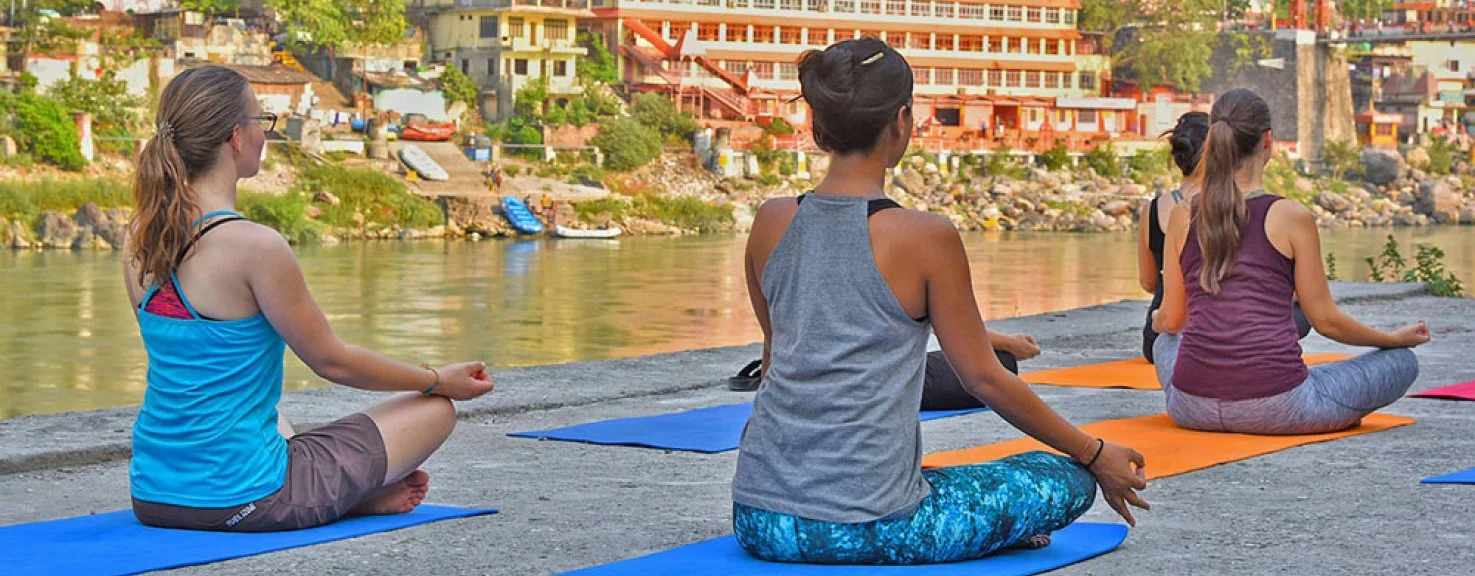
Rishikesh has been a spiritual destination for centuries. Surrounded by lush forests, majestic mountains, and the peaceful flow of the Ganga River, it provides an inspiring environment for yoga practice and self-discovery.
Here are some of the top reasons students choose yoga teacher training in Rishikesh India.
Authentic Yogic Tradition
Yoga originated in India, and Rishikesh has preserved many of its traditional teachings. Students learn from experienced teachers who have dedicated years to studying yoga philosophy, meditation, and classical practices.
Peaceful Learning Environment
Unlike busy cities, Rishikesh offers a calm and serene atmosphere that supports concentration, mindfulness, and personal growth.
International Community
Students from around the world come together to study yoga, creating a multicultural learning environment where ideas, experiences, and friendships are shared.
Affordable Education
Compared to many Western countries, yoga teacher training in Rishikesh is often more affordable while including accommodation, meals, study materials, and practical training.
Spiritual Experience
The city offers opportunities to experience traditional Indian culture through temple visits, Ganga Aarti ceremonies, meditation sessions, and Himalayan excursions.
Types of Yoga Teacher Training Courses
There are several certification levels available depending on your experience and goals.
100 Hour Yoga Teacher Training
A 100-hour course is ideal for beginners or those who wish to experience yoga teacher training before committing to a longer program.
Students learn:
Basic yoga postures
Breathing techniques
Meditation
Introduction to philosophy
Alignment fundamentals
200 Hour Yoga Teacher Training
The 200-hour course is the most popular certification for aspiring instructors.
It covers:
Hatha Yoga
Ashtanga Yoga
Anatomy
Philosophy
Pranayama
Meditation
Teaching methodology
Class sequencing
Completing this course prepares students to begin teaching yoga professionally.
300 Hour Yoga Teacher Training
The 300-hour program is designed for graduates who have already completed a recognized 200-hour certification.
This advanced course focuses on:
Advanced asanas
Teaching refinement
Advanced anatomy
Therapeutic applications
Yoga philosophy
Leadership development
500 Hour Yoga Teacher Training
Some schools combine 200-hour and 300-hour programs into one comprehensive 500-hour certification.
This intensive training provides extensive theoretical and practical knowledge suitable for dedicated yoga professionals.
What Will You Learn?
One of the biggest strengths of yoga teacher training in Rishikesh India is its well-rounded curriculum.
Yoga Asanas
Students practice a wide range of postures including:
Standing poses
Seated postures
Twists
Forward bends
Backbends
Arm balances
Inversions
Relaxation poses
Equal emphasis is placed on alignment, safety, modifications, and teaching techniques.
Pranayama
Breath control is considered one of the foundations of yoga.
Students commonly learn:
Nadi Shodhana
Kapalabhati
Ujjayi
Bhastrika
Bhramari
Surya Bhedana
Chandra Bhedana
Regular pranayama practice enhances concentration, energy, and emotional balance.
Meditation
Meditation is integrated into daily practice.
Common techniques include:
Mindfulness meditation
Mantra meditation
Breath awareness
Chakra meditation
Silent meditation
Yoga Nidra
Guided visualization
Meditation develops inner awareness and mental clarity.
Yoga Philosophy
Understanding yoga beyond physical movement is an essential part of the curriculum.
Students study classical texts such as:
Yoga Sutras of Patanjali
Bhagavad Gita
Hatha Yoga Pradipika
Topics include:
Eight Limbs of Yoga
Karma Yoga
Bhakti Yoga
Raja Yoga
Jnana Yoga
Yogic ethics
Mindfulness
Self-discipline
These teachings encourage students to embrace yoga as a complete way of life.
Anatomy and Physiology
A strong understanding of anatomy helps teachers guide students safely.
Subjects often include:
Skeletal system
Muscular system
Joint mechanics
Respiratory system
Nervous system
Biomechanics
Injury prevention
Functional movement
Students learn how different yoga postures affect the body and how to adapt practices for different abilities.
Teaching Methodology
A significant portion of yoga teacher training in Rishikesh India focuses on developing teaching confidence.
Students practice:
Verbal cueing
Demonstrations
Hands-on adjustments
Observation skills
Class sequencing
Time management
Voice projection
Student interaction
Teaching practice helps transform theoretical knowledge into real classroom experience.
Daily Schedule
Yoga teacher training follows a structured daily routine that promotes discipline and consistency.
A typical schedule may include:
5:30 AM – Wake up
6:00 AM – Meditation
7:00 AM – Pranayama
8:00 AM – Asana practice
10:00 AM – Breakfast
11:00 AM – Anatomy class
1:00 PM – Lunch
2:30 PM – Philosophy lecture
4:00 PM – Teaching methodology
6:00 PM – Evening yoga or meditation
7:30 PM – Dinner
9:00 PM – Self-study or rest
The disciplined schedule supports physical, mental, and spiritual development.
Accommodation and Food
Most residential yoga schools provide comfortable accommodation.
Facilities often include:
Private or shared rooms
Wi-Fi
Hot water
Laundry services
Study areas
Peaceful yoga halls
Students are generally served nutritious vegetarian meals prepared according to yogic dietary principles.
Healthy meals support:
Better digestion
Higher energy
Mental clarity
Faster recovery
Overall well-being
Benefits of Yoga Teacher Training
Completing yoga teacher training in Rishikesh India offers benefits that extend far beyond earning a certificate.
Deepen Your Practice
Daily training significantly improves strength, flexibility, balance, and mindfulness.
Build Teaching Confidence
Practice teaching under experienced mentors helps students become skilled and confident instructors.
Personal Transformation
Many graduates describe the course as life-changing due to the combination of yoga practice, meditation, philosophy, and self-reflection.
Career Opportunities
Graduates may teach in:
Yoga studios
Fitness centers
Wellness resorts
Retreats
Schools
Corporate wellness programs
Online yoga platforms
Private classes
International Recognition
Many schools offer programs that meet internationally recognized teacher training standards, helping graduates pursue teaching opportunities in different parts of the world.
Life Beyond the Classroom
Training in Rishikesh includes many enriching experiences.
Students often enjoy:
Ganga Aarti ceremonies
Temple visits
Himalayan hikes
River walks
Kirtan sessions
Cultural festivals
Ayurvedic workshops
Community activities
These experiences provide a deeper understanding of India's spiritual traditions.
How to Choose the Right Yoga School
Before enrolling, take time to research different programs.
Important factors include:
Experienced teaching faculty
Comprehensive curriculum
Small class sizes
Positive student reviews
Comfortable accommodation
Safe learning environment
Balanced practical and theoretical training
Transparent certification process
Choosing a reputable school ensures a rewarding learning experience.
Preparing for Your Training
To get the most from yoga teacher training in Rishikesh India, consider preparing before arrival.
Helpful tips include:
Practice yoga regularly.
Improve flexibility gradually.
Read introductory yoga philosophy books.
Begin a meditation practice.
Maintain a healthy diet.
Stay physically active.
Bring comfortable yoga clothing.
Keep an open and positive mindset.
Preparation allows you to adapt more easily to the intensive schedule.
Career Opportunities After Graduation
After completing yoga teacher training in Rishikesh India, graduates can explore a wide variety of professional paths.
Career opportunities include:
Yoga instructor
Private yoga coach
Corporate wellness trainer
Retreat facilitator
Meditation teacher
Online yoga educator
Yoga studio owner
Wellness consultant
Many graduates continue their education with specialized courses in prenatal yoga, restorative yoga, yoga therapy, Ayurveda, or advanced meditation techniques.
Final Thoughts
Choosing yoga teacher training in Rishikesh India is more than enrolling in a certification program—it is an opportunity to experience authentic yoga in its traditional home while developing the knowledge, confidence, and practical skills needed to become an effective teacher. The combination of expert instruction, comprehensive curriculum, daily practice, meditation, philosophy, and the peaceful Himalayan environment creates a transformative learning experience that benefits both personal growth and professional development.
Whether you are beginning your yoga journey with a 200-hour course or advancing your education through higher-level training, Rishikesh offers an inspiring setting to deepen your understanding of yoga. By completing yoga teacher training in Rishikesh India, you not only gain valuable teaching credentials but also cultivate lifelong habits of mindfulness, compassion, discipline, and self-awareness that can positively influence every aspect of your life.





Write a comment ...