
The cross legged yoga position is one of the most fundamental and widely practiced postures in yoga and meditation. Known for its simplicity and accessibility, this seated pose forms the foundation for breathing exercises, mindfulness practices, and spiritual growth. Although it may appear easy, the cross legged yoga position offers profound benefits when practiced with proper alignment and awareness.
In this comprehensive guide, we will explore everything you need to know about the cross legged yoga position—its meaning, benefits, step-by-step instructions, variations, precautions, and how it enhances both physical and mental well-being.
What Is Cross Legged Yoga Position?
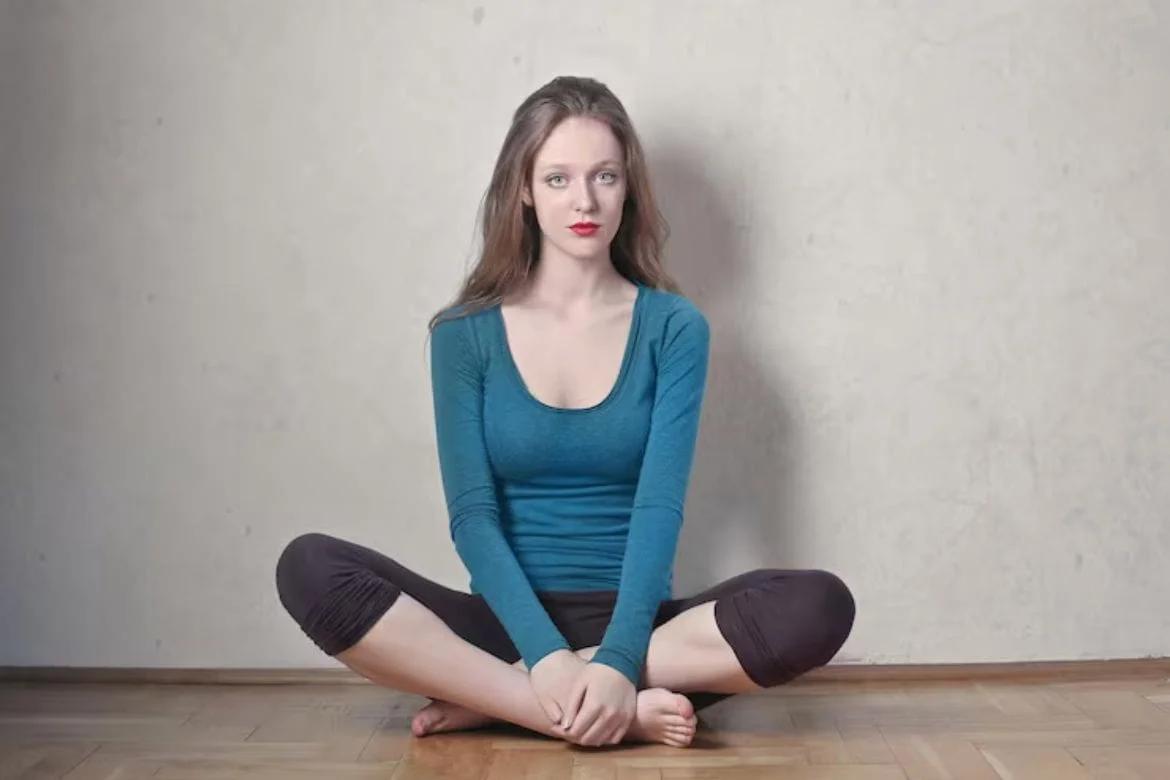
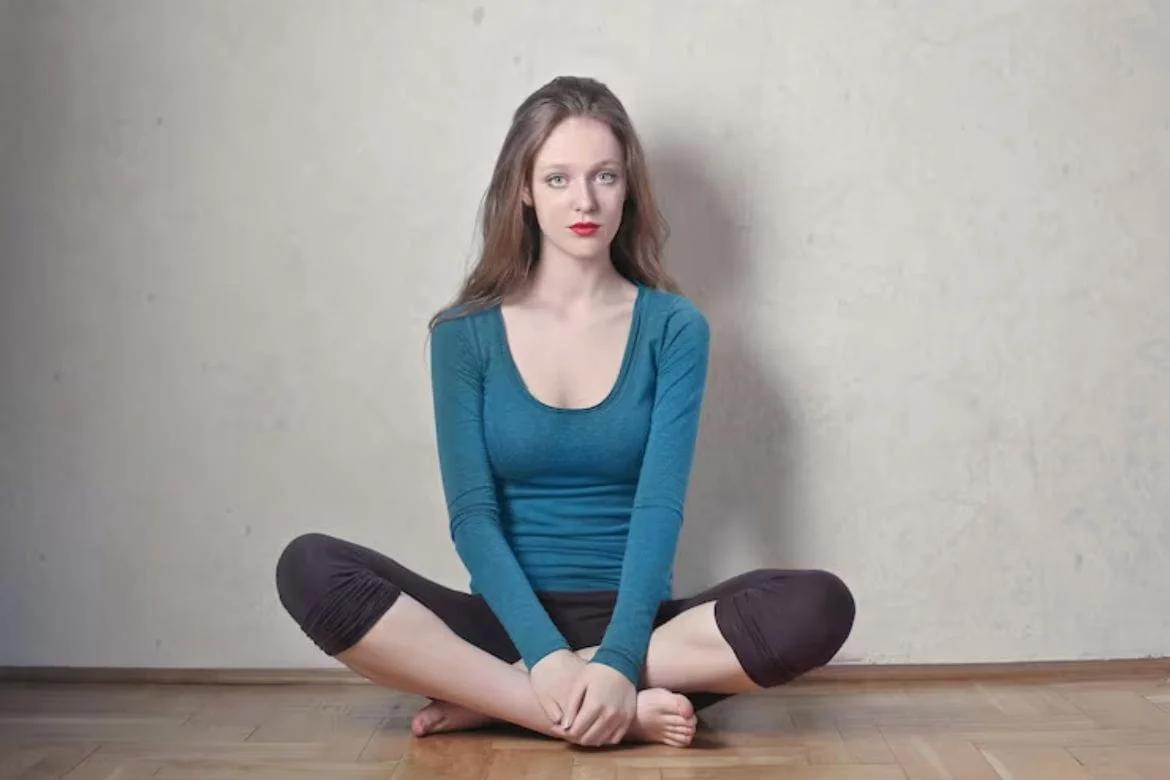
The cross legged yoga position refers to a seated posture where the legs are folded and crossed in front of the body, usually at the shins. This posture is commonly associated with Sukhasana, or Easy Pose, which is widely used for meditation and pranayama (breathing exercises).
In this position, the lower body creates a stable base while the spine remains upright and relaxed. The goal is not to force the legs into a perfect shape but to find a comfortable and balanced posture that supports stillness and focus.
Historical and Cultural Significance
The cross legged yoga position has been practiced for thousands of years, especially in India. It has been used by yogis, monks, and spiritual seekers as a primary posture for meditation and contemplation.
Traditionally, people also sat in this position for daily activities such as eating, reading, and socializing. This natural way of sitting promotes better posture and a deeper connection with the ground, which is often lost in modern chair-based lifestyles.
How to Practice Cross Legged Yoga Position
Practicing the cross legged yoga position correctly ensures comfort and maximizes its benefits.
Step-by-Step Instructions:
Choose a Comfortable Surface
Sit on a yoga mat, cushion, or folded blanket.Extend Your Legs Forward
Begin with your legs stretched out in front of you.Cross Your Legs Gently
Bend your knees and cross your legs at the shins, allowing each foot to rest under the opposite knee.Ground Your Sitting Bones
Ensure both hips are evenly placed on the floor.Lengthen Your Spine
Sit tall with your back straight and chest open.Relax Your Shoulders
Let your shoulders drop away from your ears.Place Your Hands Comfortably
Rest your hands on your knees or in your lap.Focus on Your Breath
Close your eyes and take slow, deep breaths.
Benefits of Cross Legged Yoga Position
The cross legged yoga position offers a wide range of benefits for the body and mind.
1. Improves Posture
Sitting upright strengthens the muscles that support the spine, helping to reduce slouching and improve posture over time.
2. Enhances Flexibility
This pose gently stretches the hips, knees, and ankles, increasing flexibility in the lower body.
3. Promotes Relaxation
The grounded nature of the cross legged yoga position calms the nervous system and reduces stress.
4. Supports Meditation
Its stable base makes it ideal for meditation, allowing the mind to focus without physical distractions.
5. Strengthens the Back
Maintaining an upright spine engages the back muscles, improving strength and endurance.
6. Improves Circulation
Proper alignment encourages healthy blood flow throughout the body.
7. Encourages Mindfulness
The pose helps you stay present and connected to your breath.
Variations of Cross Legged Yoga Position
There are several variations of the cross legged yoga position to suit different levels of flexibility.
1. Easy Pose (Sukhasana)
A relaxed version with loosely crossed legs, perfect for beginners.
2. Half Lotus Pose
One foot is placed on the opposite thigh, increasing the stretch in the hips.
3. Full Lotus Pose
Both feet are placed on opposite thighs, requiring advanced flexibility.
4. Supported Cross Legged Position
Using cushions or yoga blocks under the hips to improve comfort and alignment.
Tips for Beginners
If you are new to the cross legged yoga position, these tips will help you practice safely:
Use a Cushion: Elevating your hips reduces strain on your knees and hips.
Focus on Posture: Keep your spine straight rather than forcing your legs into position.
Switch Leg Position: Alternate which leg is in front to maintain balance.
Start Slowly: Begin with short durations and gradually increase your time.
Listen to Your Body: Avoid pushing into pain or discomfort.
Common Mistakes to Avoid
Even though the cross legged yoga position is simple, improper practice can lead to discomfort.
Slouching: Leads to poor posture and back pain.
Tension in Shoulders: Keep them relaxed and natural.
Uneven Weight Distribution: Sit evenly on both hips.
Forcing the Knees Down: This can cause strain or injury.
Precautions and Safety Tips
While the cross legged yoga position is generally safe, certain precautions should be taken:
Knee Injuries: Use support or avoid deep crossing.
Hip Tightness: Warm up before sitting.
Lower Back Pain: Sit on a cushion for better alignment.
Numbness in Legs: Change position if discomfort occurs.
Always prioritize comfort and proper alignment.
Cross Legged Yoga Position for Meditation
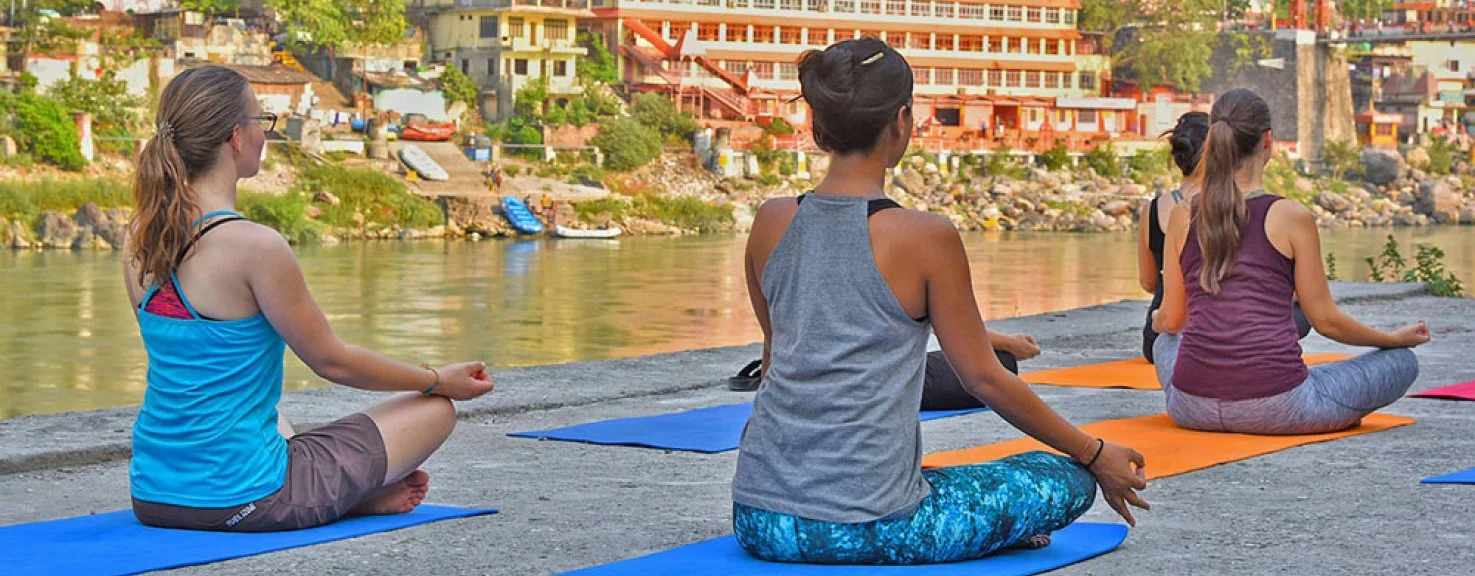
The cross legged yoga position is widely used in meditation because of its stability and simplicity.
Benefits for Meditation:
Keeps the spine upright for better breathing
Reduces physical distractions
Encourages stillness and focus
Promotes emotional balance
Regular meditation in this position can help reduce stress, improve concentration, and create a sense of inner peace.
Incorporating Cross Legged Yoga Position into Daily Life
The cross legged yoga position can easily become part of your everyday routine:
Sit in this position while reading or relaxing
Practice breathing exercises
Use it for journaling or mindfulness
Take breaks from chair sitting to stretch your body
Mind-Body Connection in Cross Legged Yoga Position
The cross legged yoga position is more than just a physical posture—it represents grounding and balance. In yogic philosophy, sitting cross-legged helps stabilize the body and calm the mind.
The upright spine allows energy to flow freely through the body, supporting both physical vitality and mental clarity. This makes the pose especially effective for meditation and breathwork practices.
Conclusion
The cross legged yoga position is a simple yet powerful posture that offers numerous benefits for both the body and mind. From improving posture and flexibility to enhancing mindfulness and relaxation, this pose is an essential part of any yoga or meditation practice.
By practicing the cross legged yoga position regularly and with proper alignment, you can build a strong foundation for physical health, mental clarity, and emotional balance. Its accessibility makes it suitable for people of all ages and experience levels.
Take your time, stay consistent, and allow this foundational posture to deepen your connection with yourself. Over time, the cross legged yoga position can become a natural and comfortable part of your daily life, supporting a healthier and more mindful way of living.




Write a comment ...