
Crossing legs while standing is a posture most of us adopt without even realizing it. You see it while waiting in queues, talking to friends, listening to someone speak, or simply standing for long periods. Though it looks simple and casual, crossing legs while standing carries deeper meanings related to comfort, psychology, body language, and even physical health. This natural habit has been observed across cultures, age groups, and social situations, making it an interesting topic to explore from multiple perspectives.
In this detailed guide, we will break down why people cross their legs while standing, what it reveals about body language, how it affects posture and health, and how to practice better body awareness while standing.
What Is Crossing Legs While Standing?
Crossing legs while standing usually means placing one leg in front of or over the other while maintaining balance on both feet. Unlike sitting cross-legged, this posture shifts body weight unevenly and relies more on one leg for support. It can appear relaxed, elegant, shy, or thoughtful depending on how it is done and the context in which it occurs.
This posture is especially common in informal environments, such as social gatherings, classrooms, offices, or while waiting. Many people naturally adopt crossing legs while standing as a way to feel more comfortable or reduce physical strain.
Psychological Reasons Behind Crossing Legs While Standing
From a psychological standpoint, crossing legs while standing often reflects inner emotions and mental states. Body language experts suggest that this posture can signal a range of feelings, including:
Comfort and relaxation: People often cross their legs when they feel safe and at ease.
Shyness or self-protection: In some cases, crossing legs while standing creates a subtle physical barrier, indicating reserved behavior.
Thoughtfulness or attentiveness: During conversations, this stance may show that a person is listening carefully.
Habitual behavior: For many, it is simply an unconscious habit developed over time.
The mind and body are closely connected, and posture often mirrors emotional states. Crossing legs while standing can therefore provide clues about a person’s confidence, mood, or social comfort level.
Crossing Legs While Standing in Body Language
In body language analysis, crossing legs while standing is considered a closed or semi-closed posture. However, its interpretation depends on accompanying gestures such as arm position, facial expression, and overall stance.
Relaxed crossing: When combined with open arms and a calm expression, it suggests comfort and friendliness.
Tight crossing: If the legs are tightly crossed with crossed arms, it may indicate nervousness or defensiveness.
Casual crossing: Often seen in social situations, this version reflects ease and informal engagement.
Understanding body language requires context. Crossing legs while standing on its own does not have a single fixed meaning, but it contributes to the overall message the body conveys.
Cultural and Social Influences
Culture plays a role in how crossing legs while standing is perceived. In some cultures, it is seen as polite and graceful, especially among women. In others, it may be viewed as overly casual or inappropriate in formal settings.
Social norms also influence posture. In professional environments, people may avoid crossing legs while standing during presentations or meetings to appear more confident and authoritative. In relaxed social spaces, the same posture may feel perfectly natural and acceptable.
Physical Comfort and Weight Distribution
One of the most common reasons people cross their legs while standing is physical comfort. Standing for long periods can cause fatigue in the legs, feet, and lower back. Crossing legs allows the body to:
Shift weight from one leg to the other
Reduce pressure on tired muscles
Create a feeling of rest without sitting
This constant shifting is the body’s natural way of preventing stiffness. However, relying too often on crossing legs while standing may lead to imbalance over time.
Health Effects of Crossing Legs While Standing
While crossing legs while standing can feel comfortable in the moment, doing it frequently or for extended periods may have some physical drawbacks.
Potential Negative Effects:
Postural imbalance: Regularly shifting weight to one leg can create muscle imbalances.
Hip and knee strain: Uneven pressure may stress joints over time.
Lower back discomfort: Poor weight distribution can affect spinal alignment.
Circulation issues: Standing in one position for too long can slow blood flow.
These effects usually occur when the posture is maintained for long durations without movement. Occasional crossing is generally harmless, but awareness is key.
Benefits of Crossing Legs While Standing
Despite potential drawbacks, crossing legs while standing is not entirely negative. When done briefly and mindfully, it can offer benefits such as:
Temporary relief from leg fatigue
Increased comfort during long standing periods
A relaxed and approachable appearance
Reduced stiffness through subtle movement
The key lies in balance and variation. Alternating postures and staying aware of body alignment helps minimize strain.
Crossing Legs While Standing vs. Standing Straight
Standing straight with feet hip-width apart is often considered the most balanced posture. It distributes weight evenly and supports spinal alignment. In contrast, crossing legs while standing is more relaxed but less stable.
A healthy approach is to alternate between both:
Use a neutral standing posture for long periods
Occasionally shift weight or cross legs briefly
Avoid locking knees or leaning excessively
This combination supports comfort while protecting posture.
Crossing Legs While Standing in Yoga and Movement Practices
In yoga and mindfulness practices, awareness of standing posture is emphasized. While traditional yoga encourages symmetrical stances, it also teaches body awareness—recognizing habits like crossing legs while standing.
Mindful standing involves:
Feeling weight evenly on both feet
Engaging core muscles
Relaxing shoulders and neck
Adjusting posture consciously
By becoming aware of habitual movements, practitioners can reduce unnecessary strain and improve overall body alignment.
Tips for Healthy Standing Habits
If you often find yourself crossing legs while standing, these simple tips can help maintain better posture and comfort:
Switch legs frequently to avoid overloading one side.
Engage your core to support balance.
Avoid locking knees, which can strain joints.
Take movement breaks if standing for long periods.
Use supportive footwear to reduce pressure on legs and feet.
Small changes can make a big difference in long-term comfort and posture.
When to Be Mindful or Avoid This Posture
Certain situations call for more awareness:
If you experience hip, knee, or lower back pain
During long working hours that involve standing
In formal or professional settings where posture matters
In such cases, standing evenly with proper alignment is usually a better choice.
Conclusion
Crossing legs while standing is a natural, widely practiced posture influenced by comfort, habit, psychology, and social context. While it can offer temporary relief and a relaxed appearance, doing it excessively or without awareness may lead to postural imbalance over time. Understanding the meaning and effects of crossing legs while standing allows you to make more conscious choices about how you use your body.
By alternating postures, staying mindful, and listening to your body, you can enjoy comfort without compromising health. Whether in social situations, at work, or during daily activities, awareness of simple habits like crossing legs while standing can contribute to better posture, balance, and overall well-being.
Crossing Legs While Standing: Meaning, Psychology, Health Effects, and Body Awareness
Crossing legs while standing is a posture most of us adopt without even realizing it. You see it while waiting in queues, talking to friends, listening to someone speak, or simply standing for long periods. Though it looks simple and casual, crossing legs while standing carries deeper meanings related to comfort, psychology, body language, and even physical health. This natural habit has been observed across cultures, age groups, and social situations, making it an interesting topic to explore from multiple perspectives.
In this detailed guide, we will break down why people cross their legs while standing, what it reveals about body language, how it affects posture and health, and how to practice better body awareness while standing.
What Is Crossing Legs While Standing?
Crossing legs while standing usually means placing one leg in front of or over the other while maintaining balance on both feet. Unlike sitting cross-legged, this posture shifts body weight unevenly and relies more on one leg for support. It can appear relaxed, elegant, shy, or thoughtful depending on how it is done and the context in which it occurs.
This posture is especially common in informal environments, such as social gatherings, classrooms, offices, or while waiting. Many people naturally adopt crossing legs while standing as a way to feel more comfortable or reduce physical strain.
Psychological Reasons Behind Crossing Legs While Standing
From a psychological standpoint, crossing legs while standing often reflects inner emotions and mental states. Body language experts suggest that this posture can signal a range of feelings, including:
Comfort and relaxation: People often cross their legs when they feel safe and at ease.
Shyness or self-protection: In some cases, crossing legs while standing creates a subtle physical barrier, indicating reserved behavior.
Thoughtfulness or attentiveness: During conversations, this stance may show that a person is listening carefully.
Habitual behavior: For many, it is simply an unconscious habit developed over time.
The mind and body are closely connected, and posture often mirrors emotional states. Crossing legs while standing can therefore provide clues about a person’s confidence, mood, or social comfort level.
Crossing Legs While Standing in Body Language
In body language analysis, crossing legs while standing is considered a closed or semi-closed posture. However, its interpretation depends on accompanying gestures such as arm position, facial expression, and overall stance.
Relaxed crossing: When combined with open arms and a calm expression, it suggests comfort and friendliness.
Tight crossing: If the legs are tightly crossed with crossed arms, it may indicate nervousness or defensiveness.
Casual crossing: Often seen in social situations, this version reflects ease and informal engagement.
Understanding body language requires context. Crossing legs while standing on its own does not have a single fixed meaning, but it contributes to the overall message the body conveys.
Cultural and Social Influences
Culture plays a role in how crossing legs while standing is perceived. In some cultures, it is seen as polite and graceful, especially among women. In others, it may be viewed as overly casual or inappropriate in formal settings.
Social norms also influence posture. In professional environments, people may avoid crossing legs while standing during presentations or meetings to appear more confident and authoritative. In relaxed social spaces, the same posture may feel perfectly natural and acceptable.
Physical Comfort and Weight Distribution
One of the most common reasons people cross their legs while standing is physical comfort. Standing for long periods can cause fatigue in the legs, feet, and lower back. Crossing legs allows the body to:
Shift weight from one leg to the other
Reduce pressure on tired muscles
Create a feeling of rest without sitting
This constant shifting is the body’s natural way of preventing stiffness. However, relying too often on crossing legs while standing may lead to imbalance over time.
Health Effects of Crossing Legs While Standing
While crossing legs while standing can feel comfortable in the moment, doing it frequently or for extended periods may have some physical drawbacks.
Potential Negative Effects:
Postural imbalance: Regularly shifting weight to one leg can create muscle imbalances.
Hip and knee strain: Uneven pressure may stress joints over time.
Lower back discomfort: Poor weight distribution can affect spinal alignment.
Circulation issues: Standing in one position for too long can slow blood flow.
These effects usually occur when the posture is maintained for long durations without movement. Occasional crossing is generally harmless, but awareness is key.
Benefits of Crossing Legs While Standing
Despite potential drawbacks, crossing legs while standing is not entirely negative. When done briefly and mindfully, it can offer benefits such as:
Temporary relief from leg fatigue
Increased comfort during long standing periods
A relaxed and approachable appearance
Reduced stiffness through subtle movement
The key lies in balance and variation. Alternating postures and staying aware of body alignment helps minimize strain.
Crossing Legs While Standing vs. Standing Straight
Standing straight with feet hip-width apart is often considered the most balanced posture. It distributes weight evenly and supports spinal alignment. In contrast, crossing legs while standing is more relaxed but less stable.
A healthy approach is to alternate between both:
Use a neutral standing posture for long periods
Occasionally shift weight or cross legs briefly
Avoid locking knees or leaning excessively
This combination supports comfort while protecting posture.
Crossing Legs While Standing in Yoga and Movement Practices
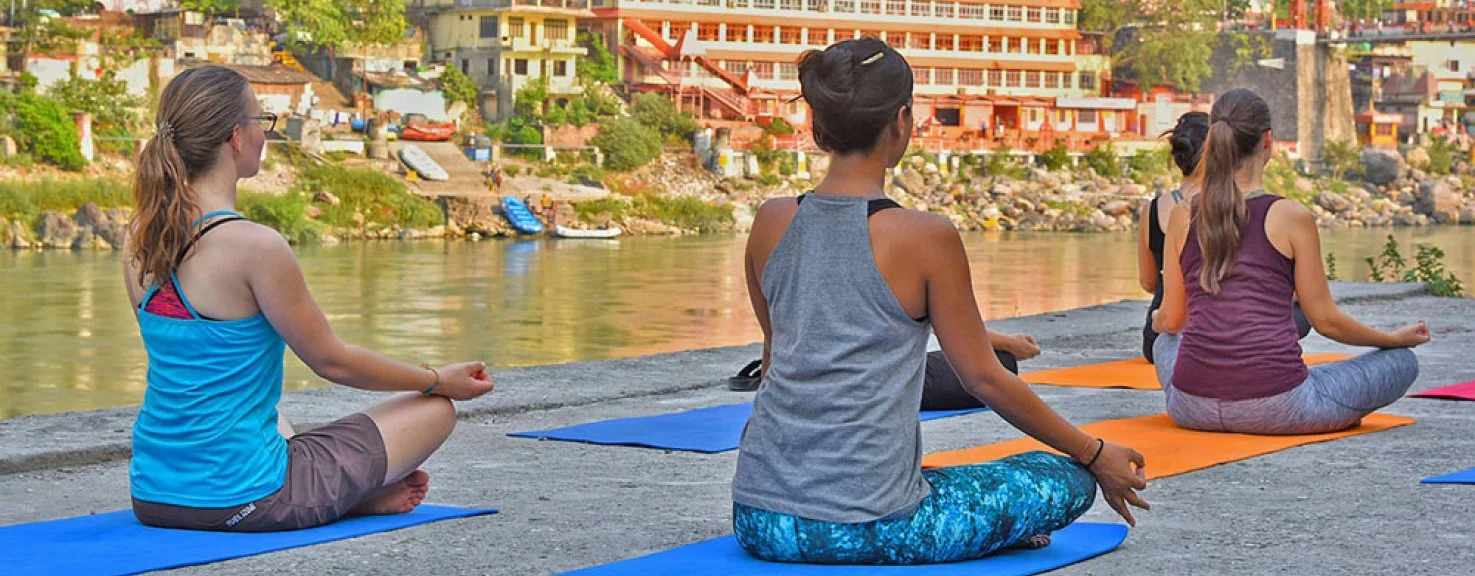
In yoga and mindfulness practices, awareness of standing posture is emphasized. While traditional yoga encourages symmetrical stances, it also teaches body awareness—recognizing habits like crossing legs while standing.
Mindful standing involves:
Feeling weight evenly on both feet
Engaging core muscles
Relaxing shoulders and neck
Adjusting posture consciously
By becoming aware of habitual movements, practitioners can reduce unnecessary strain and improve overall body alignment.
Tips for Healthy Standing Habits
If you often find yourself crossing legs while standing, these simple tips can help maintain better posture and comfort:
Switch legs frequently to avoid overloading one side.
Engage your core to support balance.
Avoid locking knees, which can strain joints.
Take movement breaks if standing for long periods.
Use supportive footwear to reduce pressure on legs and feet.
Small changes can make a big difference in long-term comfort and posture.
When to Be Mindful or Avoid This Posture
Certain situations call for more awareness:
If you experience hip, knee, or lower back pain
During long working hours that involve standing
In formal or professional settings where posture matters
In such cases, standing evenly with proper alignment is usually a better choice.
Conclusion
Crossing legs while standing is a natural, widely practiced posture influenced by comfort, habit, psychology, and social context. While it can offer temporary relief and a relaxed appearance, doing it excessively or without awareness may lead to postural imbalance over time. Understanding the meaning and effects of crossing legs while standing allows you to make more conscious choices about how you use your body.
By alternating postures, staying mindful, and listening to your body, you can enjoy comfort without compromising health. Whether in social situations, at work, or during daily activities, awareness of simple habits like crossing legs while standing can contribute to better posture, balance, and overall well-being.




Write a comment ...