
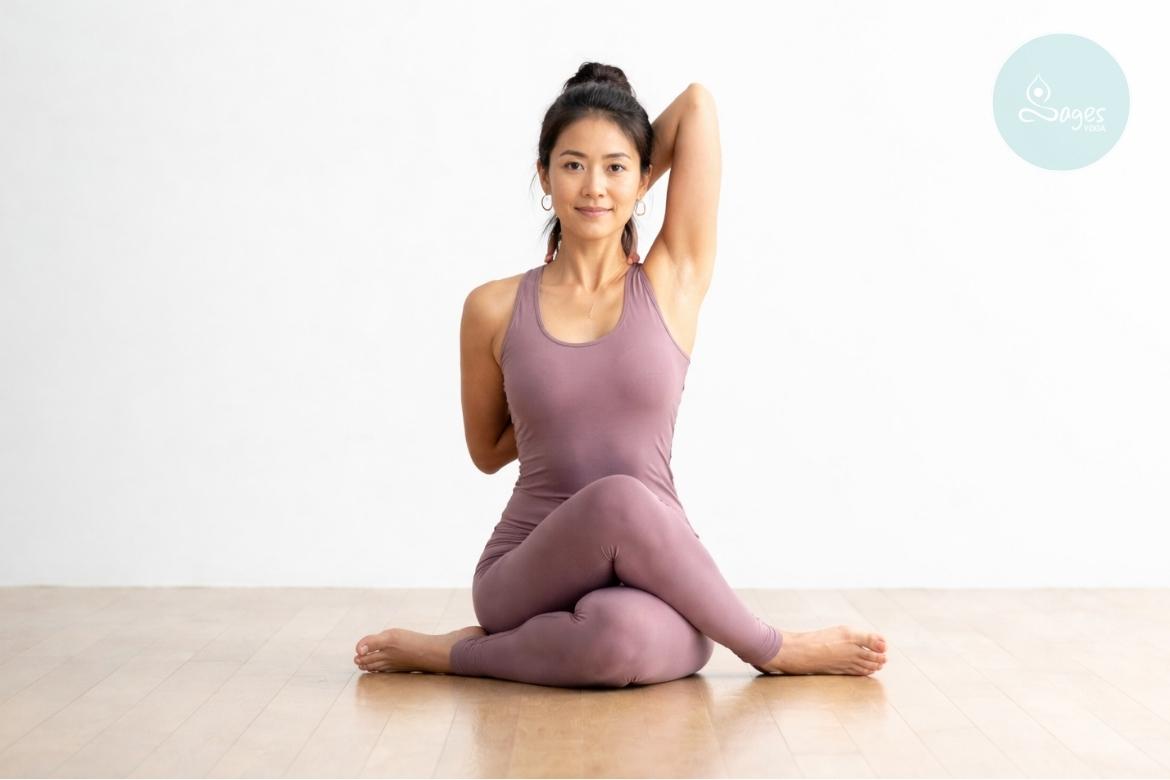
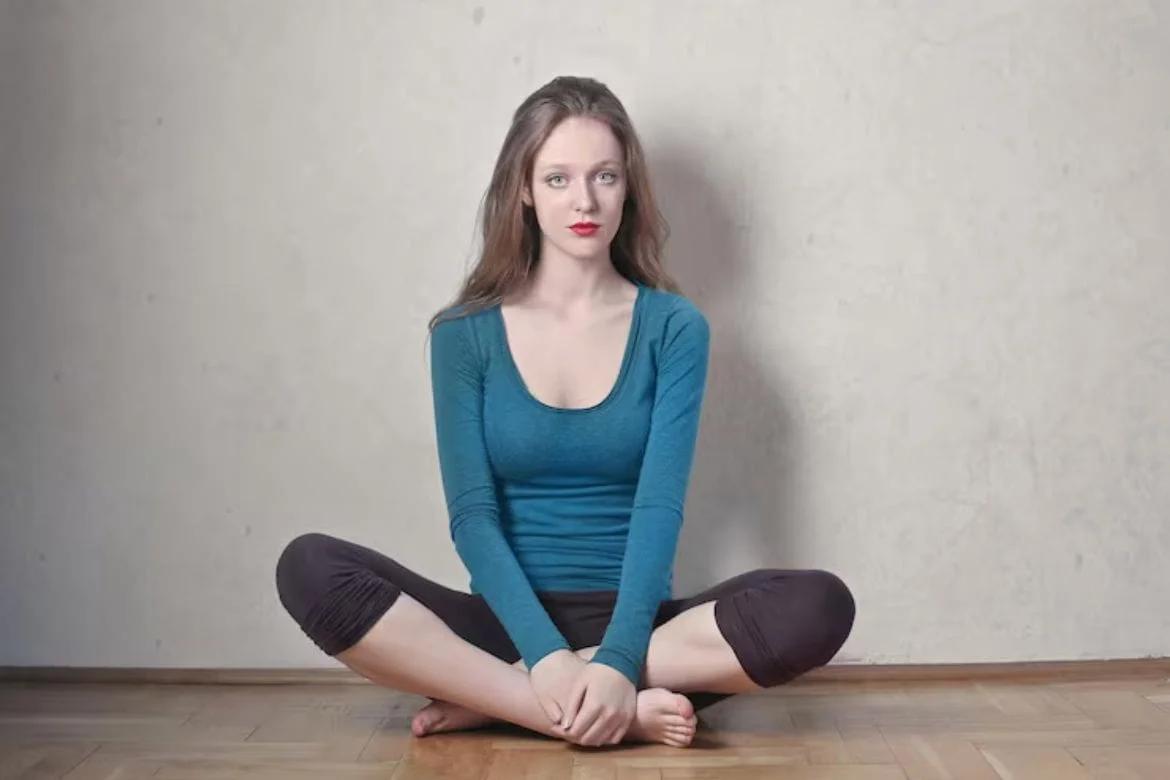
Sitting on crossed legs is a practice that has been followed in many cultures around the world for centuries. Often associated with meditation, mindfulness, and traditional seating arrangements, this posture is not just about comfort—it also has profound physical, mental, and emotional benefits.
The Origins of Sitting on Crossed Legs
Historically, sitting on crossed legs has roots in ancient practices such as yoga, meditation, and traditional Eastern lifestyles. In many Asian households, this posture is a natural way to sit during meals, discussions, or ceremonies. The simplicity of sitting on crossed legs allows a person to feel grounded and connected to their environment, promoting a sense of balance and inner peace.
Physical Benefits
One of the primary reasons people prefer sitting on crossed legs is the array of physical benefits it offers:
Improved Flexibility: Regularly sitting on crossed legs stretches the hips, knees, and ankles, gradually increasing flexibility in the lower body.
Better Posture: This posture encourages the spine to remain upright, helping in reducing slouching and strengthening the back muscles.
Enhanced Circulation: While some may find sitting on crossed legs initially challenging, over time, it can improve blood flow in the lower body, especially when alternated between sides.
Core Engagement: Maintaining balance while sitting on crossed legs engages core muscles, promoting stability and strength in the abdominal region.
Mental and Emotional Advantages
Sitting on crossed legs is not just about physical benefits; it also has mental and emotional significance:
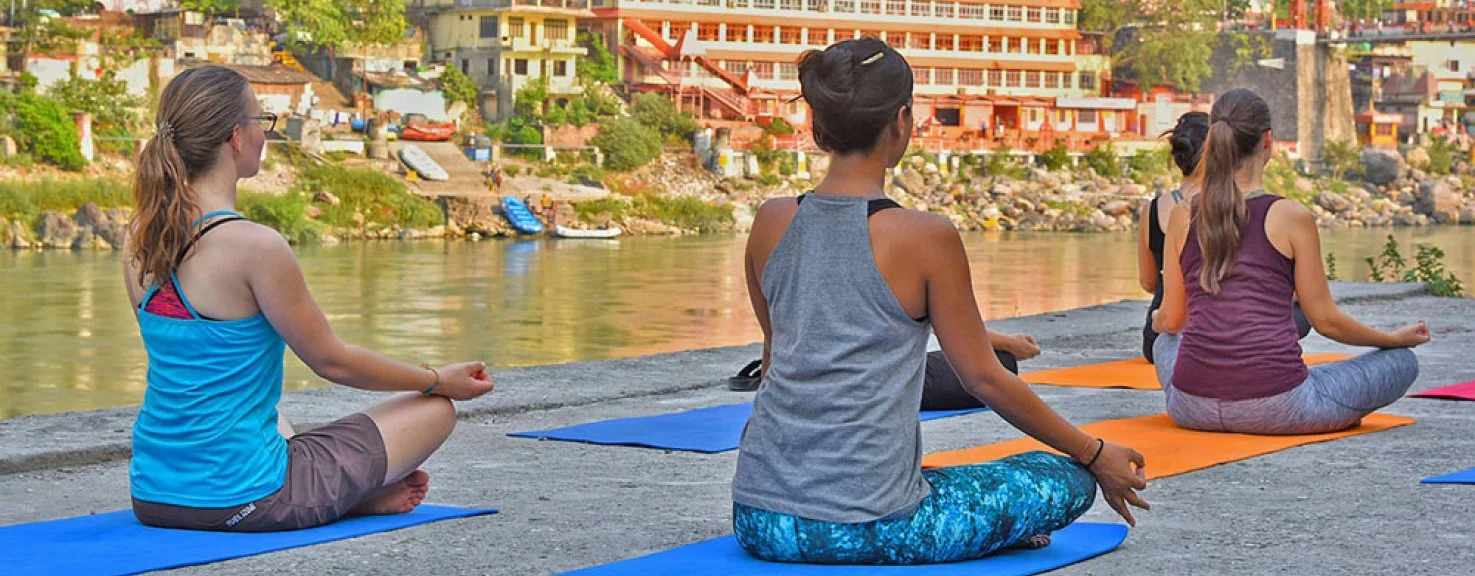
Promotes Mindfulness: In meditation, sitting on crossed legs is considered a foundation for focus and mental clarity. It helps reduce distractions by keeping the body stable and calm.
Reduces Stress: The grounding nature of this posture naturally encourages relaxation and reduces tension in the mind.
Enhances Patience and Discipline: Holding the posture for longer durations builds patience and mental endurance, making it an excellent practice for self-development.
Techniques for Sitting on Crossed Legs Comfortably
For beginners, sitting on crossed legs can feel uncomfortable at first. Here are some techniques to ease into it:
Use a Cushion: Sitting on a soft cushion or folded blanket elevates the hips, reducing strain on the knees and ankles.
Alternate Leg Position: Switch which leg is on top periodically to maintain balance and prevent stiffness.
Gentle Stretching: Incorporate hip and leg stretches before sitting to prepare the muscles for a longer sitting session.
Practice Mindful Breathing: While sitting on crossed legs, focus on deep, mindful breaths to enhance relaxation and posture alignment.
Modern Applications
Even in today’s fast-paced world, sitting on crossed legs is relevant and beneficial:
Workplace Mindfulness: Some professionals use this posture during short meditation breaks to reduce stress and regain focus.
Exercise Routines: Yoga classes often start and end with participants sitting on crossed legs, integrating physical and mental preparation.
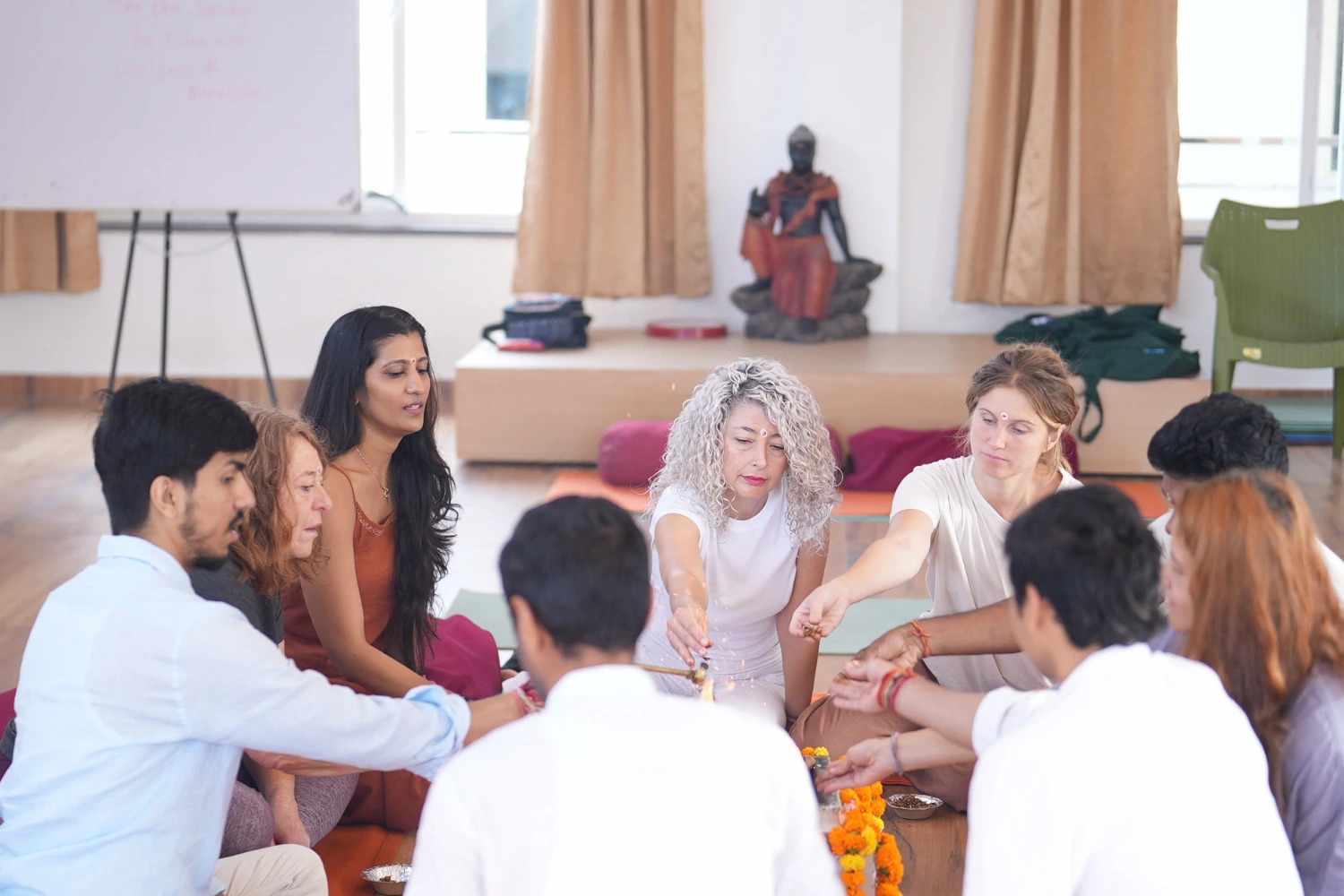
Cultural Practices: In ceremonies, workshops, or casual gatherings, sitting on crossed legs promotes a sense of equality and openness among participants.
Common Challenges and How to Overcome Them
Sitting on crossed legs can be challenging for beginners due to stiffness or discomfort. Common issues include:
Knee Pain: Ensure you are seated on a cushion or with support under the knees.
Tingling or Numbness: Slightly adjusting leg placement or standing up periodically helps restore circulation.
Back Discomfort: Keep the spine straight and shoulders relaxed; a small lumbar cushion can help maintain alignment.
Conclusion
Sitting on crossed legs is more than a posture—it is a practice that nurtures both the body and mind. By incorporating this simple yet profound habit into daily life, one can experience improved flexibility, better posture, enhanced mental clarity, and emotional balance. Whether for meditation, relaxation, or cultural traditions, sitting on crossed legs remains a timeless practice that connects us to our physical and spiritual essence


Write a comment ...