
If you are planning to begin your yoga journey, one of the most common questions you may ask is, what is included in 100 hour yoga teacher training in Rishikesh? This beginner-friendly program is designed to provide a strong foundation in yoga while allowing students to experience the authentic yogic lifestyle in the birthplace of yoga. Whether you want to deepen your personal practice or prepare for a future teaching career, a 100-hour Yoga Teacher Training Course (TTC) offers the perfect introduction.
Rishikesh, often called the Yoga Capital of the World, attracts thousands of yoga practitioners every year. Surrounded by the majestic Himalayas and the sacred Ganges River, the city provides a peaceful and inspiring environment where students can fully immerse themselves in yoga, meditation, and self-discovery.
In this comprehensive guide, we will explore what is included in 100 hour yoga teacher training in Rishikesh, the subjects covered, daily routines, accommodations, benefits, and why this course is an excellent starting point for aspiring yogis.
Understanding the 100 Hour Yoga Teacher Training
A 100-hour Yoga Teacher Training Course is a short-term program that introduces students to the essential principles of yoga. It usually lasts between 10 and 14 days and combines practical sessions with theoretical knowledge.
Although the course is not a complete professional certification on its own, it serves as the first half of a 200-hour Yoga Teacher Training Course. Many students complete the remaining 100 hours later to earn a full internationally recognized certification.
The course is ideal for:
Beginners with little or no yoga experience
Intermediate yoga practitioners
Wellness enthusiasts
Fitness professionals
Travelers seeking authentic yoga education
Individuals interested in mindfulness and meditation
When asking what is included in 100 hour yoga teacher training in Rishikesh, it is important to understand that the curriculum is designed to provide a balanced combination of physical practice, breathing techniques, philosophy, anatomy, and meditation.
Yoga Asana Practice
One of the main components included in every 100-hour yoga teacher training is daily yoga asana practice.
Students learn the correct alignment, breathing, and modifications for numerous yoga poses.
Common styles taught include:
Hatha Yoga
Ashtanga Yoga
Vinyasa Yoga
Yin Yoga
Stretching and mobility practices
Each posture is explained in detail, including:
Proper alignment
Physical benefits
Contraindications
Common mistakes
Safe modifications
Advanced variations
Daily practice helps students improve flexibility, balance, strength, and body awareness.
Pranayama (Breathing Techniques)
Another essential answer to what is included in 100 hour yoga teacher training in Rishikesh is pranayama, the ancient science of breath control.
Students learn how breathing influences physical health, emotional stability, and mental clarity.
Popular pranayama techniques include:
Nadi Shodhana (Alternate Nostril Breathing)
Kapalabhati
Ujjayi Breath
Bhastrika
Bhramari
Regular pranayama practice helps:
Increase lung capacity
Improve concentration
Reduce stress
Balance energy
Enhance relaxation
Breath awareness becomes an important tool for both yoga practice and everyday life.
Meditation Sessions
Meditation is an integral part of every authentic yoga teacher training.
Students are introduced to different meditation techniques that cultivate mindfulness and inner peace.
Meditation practices often include:
Breath Awareness Meditation
Guided Meditation
Silent Meditation
Mantra Meditation
Chakra Meditation
Yoga Nidra
Daily meditation allows students to:
Improve emotional balance
Develop mental clarity
Reduce anxiety
Increase focus
Experience deep relaxation
These sessions often become one of the most transformative aspects of the training.
Yoga Philosophy
When discussing what is included in 100 hour yoga teacher training in Rishikesh, yoga philosophy plays a central role.
Yoga is much more than physical exercise. Philosophy classes introduce students to the ancient wisdom behind the practice.
Topics commonly covered include:
History of Yoga
The Eight Limbs of Yoga
Yoga Sutras of Patanjali
Bhagavad Gita
Karma Yoga
Bhakti Yoga
Raja Yoga
Yogic Ethics
Mindfulness
These teachings help students understand yoga as a complete lifestyle rather than simply a fitness routine.
Anatomy and Physiology
Understanding the human body is essential for safe yoga practice.
Most 100-hour TTC programs include introductory anatomy classes covering:
Skeletal System
Muscular System
Spine Alignment
Joint Mechanics
Breathing Anatomy
Injury Prevention
Safe Movement
Learning anatomy enables students to practice more intelligently while reducing the risk of injuries.
Teaching Methodology
Although the course is introductory, students are also introduced to the fundamentals of teaching yoga.
Teaching methodology classes often include:
Demonstrating poses
Giving verbal cues
Correcting alignment
Classroom management
Sequencing yoga classes
Observation techniques
Students gradually build confidence by practicing with fellow classmates in a supportive environment.
Alignment and Adjustment Techniques
Proper alignment is one of the foundations of safe yoga practice.
Students learn how to:
Enter poses correctly
Maintain safe alignment
Use props effectively
Support beginners
Avoid common mistakes
Some schools also teach gentle hands-on adjustments while emphasizing student safety and consent.
Mantra Chanting
Many yoga schools in Rishikesh include mantra chanting as part of the daily routine.
Students learn traditional Sanskrit mantras that help:
Improve concentration
Calm the mind
Create positive energy
Connect with yogic traditions
Even beginners quickly become comfortable participating in these peaceful chanting sessions.
Daily Yogic Routine
One of the most valuable aspects of a 100-hour TTC is experiencing disciplined yogic living.
A typical daily schedule includes:
6:00 AM – Meditation
6:30 AM – Pranayama
7:30 AM – Hatha Yoga Practice
9:00 AM – Healthy Breakfast
10:00 AM – Yoga Philosophy
11:30 AM – Anatomy
1:00 PM – Vegetarian Lunch
3:00 PM – Teaching Methodology
5:00 PM – Ashtanga Yoga Practice
7:00 PM – Dinner
8:00 PM – Self-study or Group Discussion
Following this structured schedule helps students develop discipline and healthy habits.
Accommodation and Meals
Another important part of what is included in 100 hour yoga teacher training in Rishikesh is comfortable accommodation and nutritious meals.
Most reputable yoga schools provide:
Private or shared rooms
Attached bathrooms
Wi-Fi access
Hot water
Clean surroundings
Laundry facilities
Meals generally include fresh vegetarian cuisine prepared according to yogic dietary principles.
Typical meals consist of:
Fresh fruits
Vegetables
Rice
Lentils
Chapati
Herbal tea
Seasonal salads
The diet supports physical practice while promoting overall health.
Study Materials
Most schools provide educational resources to support learning.
These may include:
Yoga manuals
Anatomy charts
Philosophy notes
Practice journals
Reading materials
These resources help students continue their studies after completing the course.
Community Experience
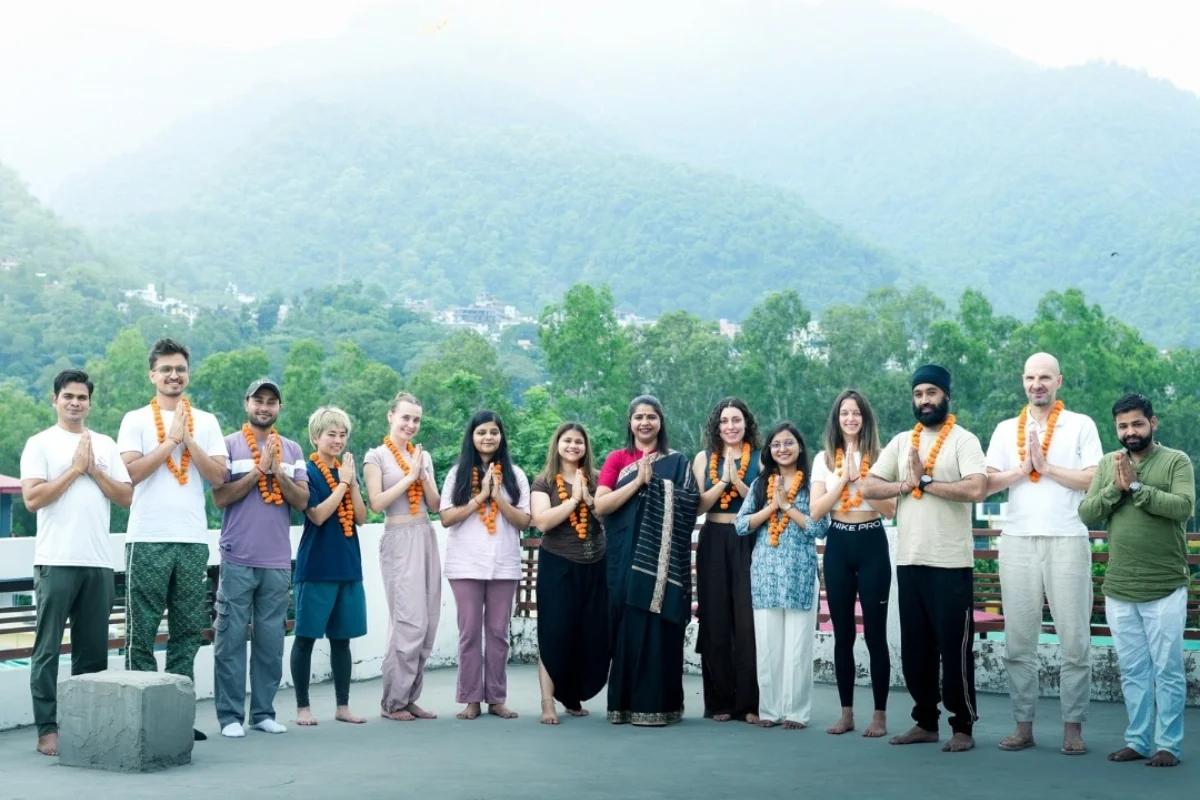
One of the highlights of studying in Rishikesh is becoming part of an international yoga community.
Students often build lasting friendships with people from different countries while sharing experiences, practicing together, and learning from one another.
This multicultural environment creates meaningful personal connections and broadens perspectives.
Excursions and Cultural Activities
Many yoga schools include cultural experiences that enrich the training.
These may involve:
Ganga Aarti ceremonies
Temple visits
Nature walks
Himalayan excursions
Ashram visits
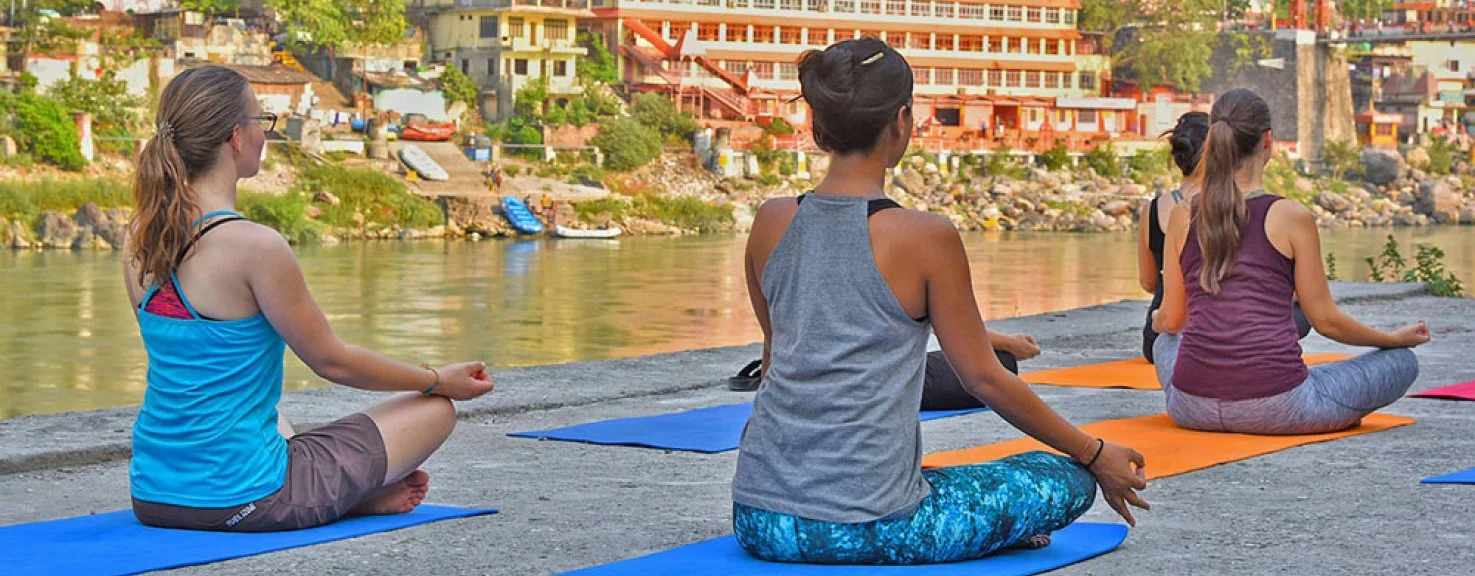
Meditation by the river
Local sightseeing
These activities help students experience the spiritual heritage of Rishikesh beyond the classroom.
Benefits of a 100 Hour Yoga Teacher Training
By now, the answer to what is included in 100 hour yoga teacher training in Rishikesh extends far beyond yoga classes. The course offers numerous benefits, including:
Physical Benefits
Improved flexibility
Better posture
Increased strength
Enhanced balance
Greater stamina
Improved mobility
Mental Benefits
Reduced stress
Better concentration
Improved sleep
Emotional stability
Increased mindfulness
Spiritual Benefits
Greater self-awareness
Inner peace
Mindfulness
Personal growth
Connection with yogic philosophy
Who Should Join?
The course is suitable for:
Complete beginners
Yoga enthusiasts
Fitness instructors
Wellness coaches
Travelers
Meditation practitioners
Individuals seeking stress relief
Anyone interested in holistic health
No advanced flexibility or previous teaching experience is required.
What Happens After the Course?
After completing the course, students often choose to:
Continue with the remaining 100 hours of a 200-hour TTC
Deepen their personal practice
Attend yoga retreats
Assist experienced yoga teachers
Teach friends and family informally
Pursue advanced yoga education
The training provides a solid foundation for lifelong learning.
Conclusion
If you have been wondering what is included in 100 hour yoga teacher training in Rishikesh, the answer is that it offers a comprehensive introduction to the physical, mental, and spiritual dimensions of yoga. From daily asana practice and pranayama to meditation, philosophy, anatomy, teaching methodology, mantra chanting, healthy vegetarian meals, and immersive yogic living, the program is carefully designed to create a balanced and transformative experience.
A 100-hour Yoga Teacher Training Course in Rishikesh is more than just an educational program—it is an opportunity to reconnect with yourself, build healthier habits, and gain a deeper understanding of authentic yoga traditions. Whether your goal is personal growth, improved well-being, or preparing for a full 200-hour certification, this foundational course provides the knowledge, confidence, and inspiration to continue your yoga journey with purpose and dedication.





Write a comment ...